
The BC winter tire law kicks in every October 1 on designated highways — and every year, drivers get caught off guard. If you’re driving through Metro Vancouver into the Coast Mountains, the Fraser Valley, or up to Whistler and Squamish, the BC winter tire law applies to you, and driving without compliant tires can mean fines, refused insurance claims, or a breakdown on the side of a mountain highway in the rain. Here’s exactly what Vancouver drivers need to know before the deadline.
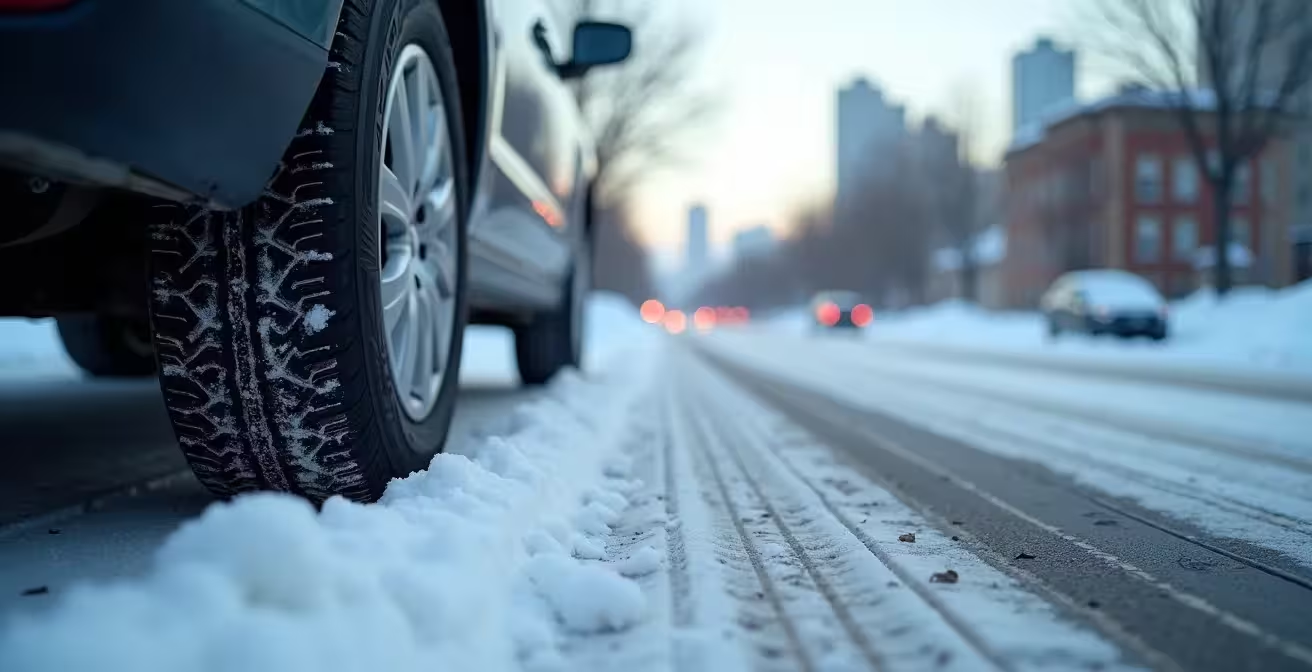
What Is the BC Winter Tire Law?
Under BC’s Motor Vehicle Act, the BC winter tire law requires vehicles on designated highways to be equipped with winter tires or carry chains between October 1 and March 31 each year. This isn’t limited to snowy interior routes — several highways serving Metro Vancouver drivers, including sections of the Sea-to-Sky Highway (Highway 99) and routes through the Coast Mountains, fall under this requirement.
The rule exists because rain, sudden temperature drops, and early mountain snowfall combine to make late-fall driving conditions far more dangerous than most drivers expect — long before actual snow accumulates in the city itself.
Which Highways Require Winter Tires
Signage is posted at the start of each designated section, but the routes most relevant to Vancouver-area drivers include:
- Highway 99 (Sea-to-Sky Highway) from Horseshoe Bay to Whistler and beyond
- Highway 1 through the Fraser Canyon and into the Interior
- Highway 5 (Coquihalla) — chains or winter tires are mandatory, no exceptions
- Most routes connecting Metro Vancouver to BC’s ski resorts and interior communities
The BC winter tire law doesn’t apply if you only drive within city limits — but given how often Vancouver’s fall weather turns wet, dark and slick almost overnight, we still strongly recommend it.
What Actually Counts as a “Winter Tire” Under the BC Winter Tire Law
Not every all-season tire qualifies. To meet the legal requirement, a tire must be marked with one of the following:
- The M+S (mud and snow) symbol, or
- The mountain/snowflake symbol (three-peak mountain with a snowflake) — this is the higher standard, required specifically on Highway 5 (Coquihalla) and a few other routes
Tires must also have a minimum tread depth of 3.5mm to be considered compliant under the BC winter tire law — worn-down “winter” tires from a few seasons ago may no longer legally count.
Fines and Risks of Non-Compliance
Breaking the BC winter tire law by driving a designated highway without compliant tires or chains can result in a fine, and in some cases officers can require you to turn back or chain up on the spot. Beyond the legal risk, insurance complications can arise after a collision if your vehicle wasn’t properly equipped for the conditions — something ICBC evaluates when assessing fault and claims.
Signs Your Current Tires Won’t Cut It This Winter
Even if you’re only driving around Metro Vancouver, worn tires are one of the most common reasons we get called for a tow between October and February. Watch for:
- Tread depth below 4mm (use the toonie test — if you can see the rim of the coin’s border, it’s time)
- Visible cracking or hardening of the rubber, especially on tires more than 5-6 years old
- Uneven wear patterns from alignment issues
- Any all-season tire that’s never actually been tested in real wet, cold conditions
What To Do If You Break Down Without Winter Tires
If your vehicle loses traction, slides off the road, or simply won’t start in cold, wet weather, don’t attempt to self-recover on a highway shoulder — especially on routes like the Sea-to-Sky or Coquihalla where traffic moves fast and visibility is often poor. Call for a tow and wait in your vehicle with hazards on. Our team handles winter breakdowns and recoveries across Metro Vancouver and the connecting highways 24/7 — see our flatbed towing and light duty towing pages for more on how we handle passenger vehicle recoveries safely in poor conditions.
For the full legal requirements and current designated highway map, see the official BC Government winter tire regulations.
Frequently Asked Questions
Do I need winter tires if I only drive within Vancouver city limits?
The BC winter tire law isn’t legally required within city limits, but Vancouver’s fall and winter weather brings frequent rain, sudden cold snaps and occasional ice — winter tires significantly reduce your stopping distance and breakdown risk even without snow on the ground.
When exactly does the BC winter tire law start and end?
Designated highways require compliant tires or chains from October 1 to March 31 each year, though the exact dates can be extended in years with early or late snowfall.
Can I use chains instead of winter tires?
Yes, on most designated highways chains are an accepted alternative to winter tires, though some routes like the Coquihalla require the mountain/snowflake-rated tire specifically. Always check posted signage for the exact route.
What happens if I get stuck or break down without proper tires?
Call for a tow rather than attempting to drive further or self-recover, especially on mountain highways. Essential Towing responds 24/7 across Metro Vancouver and connecting highway routes.
How much does a winter breakdown tow cost in Vancouver?
Costs depend on your location, vehicle type and distance — see our full towing cost guide for typical pricing, or call (604) 800-7579 for an instant quote.