
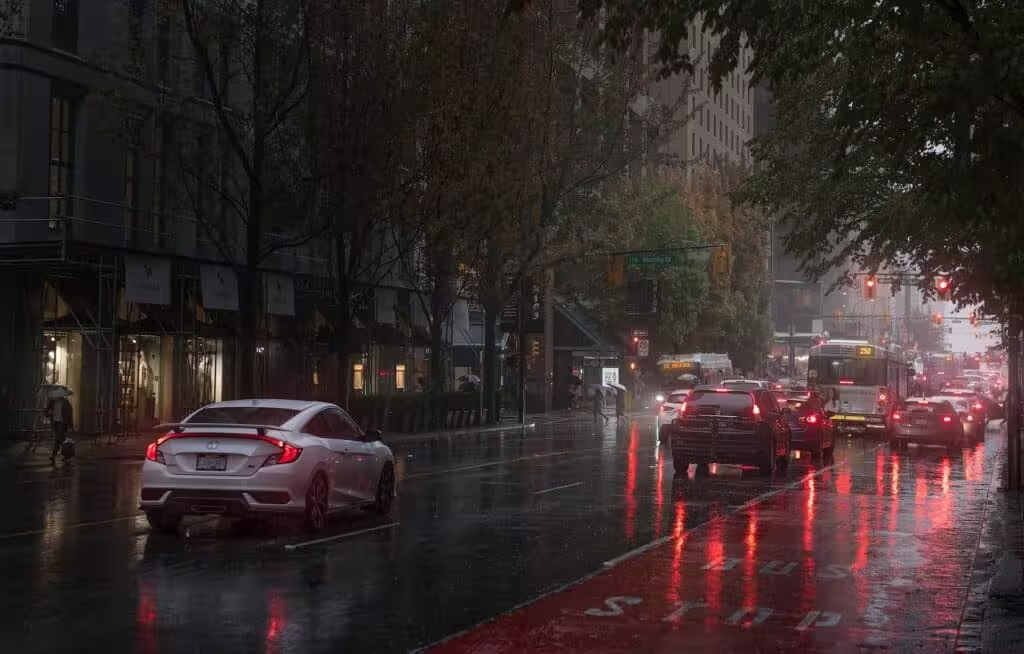
This fall car maintenance checklist for Vancouver drivers covers everything you need to check before the rain really sets in. Vancouver’s fall season brings something predictable every year: rain, longer nights, and a sharp spike in roadside breakdown calls.
The good news — most fall breakdowns are preventable with a simple pre-season check. Here’s exactly what to inspect before the rain really sets in.
Your Fall Car Maintenance Checklist for Vancouver Roads
Summer heat and fall rain create back-to-back stress on different car systems. A battery that survived a hot summer without issue can fail within weeks once temperatures drop and rain starts pulling extra power for wipers, defrosters, and headlights. Tires that were fine on dry roads suddenly reveal worn tread the moment the pavement gets slick.
Metro Vancouver’s wet season typically brings a noticeable increase in roadside assistance calls starting in late September through November — mostly for four specific issues covered below.
1. Tires: The Most Important Fall Check
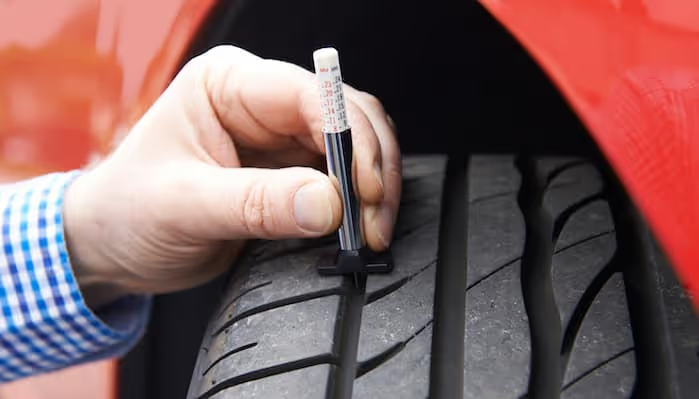
Wet roads dramatically increase stopping distance and hydroplaning risk — and worn tires make both far worse.
What to check:
- Tread depth — Use the toonie test: insert a toonie into the tread groove. If you can see the rim of the bear’s paw, your tread is too worn for safe wet-weather driving.
- Tire pressure — Cooler fall temperatures cause tire pressure to drop. Check monthly; under-inflated tires reduce wet-road grip significantly.
- Uneven wear — Uneven tread wear signals alignment issues that get worse — and more dangerous — on wet roads.
If your tires are borderline, don’t wait for the first heavy rain to find out
2. Battery Health: Don’t Wait for the Cold Snap
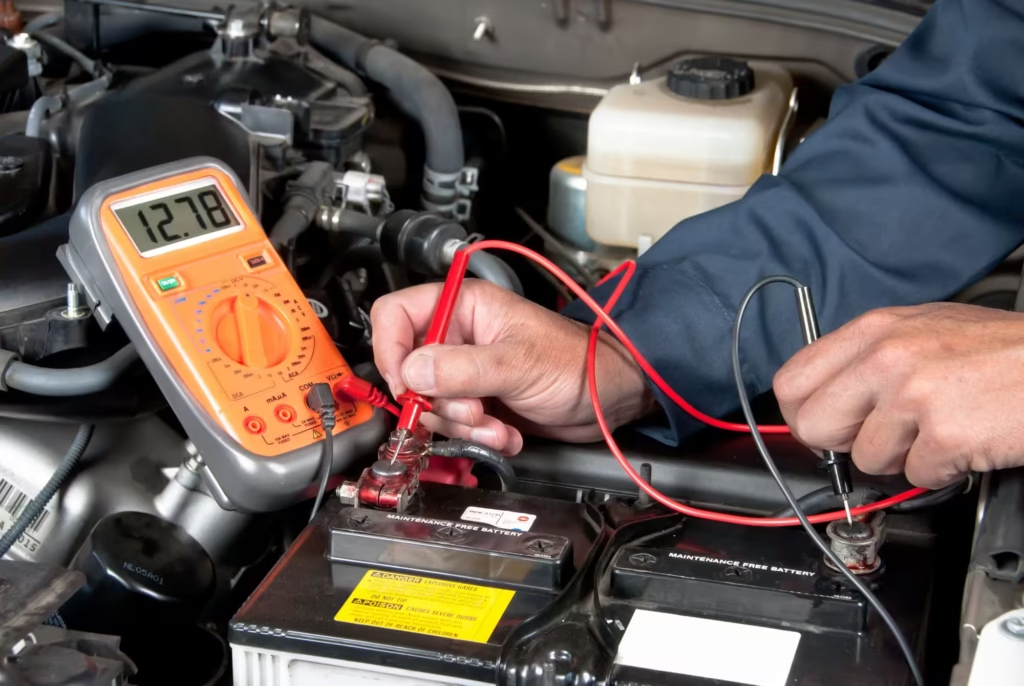
A battery that seemed fine all summer can fail within days once nightly temperatures drop. Cold weakens a battery’s chemical reaction, meaning a battery that’s already 70% healthy can suddenly struggle to start the car.
Warning signs to catch now, before it strands you:
- Slower engine crank when starting
- Dashboard lights dimming when you start the car
- Battery older than 3-4 years with no recent test
If your battery is untested and over 3 years old, get it checked before the first cold week hits — not after you’re stuck in a parking lot at 6 a.m.
3. Wipers and Visibility
Worn wiper blades that were “good enough” for the occasional summer shower often can’t handle sustained fall rain. Streaking, skipping, or squeaking wipers reduce visibility exactly when you need it most.
Quick checklist:
- Replace wiper blades if they’re more than 6-12 months old
- Top up washer fluid — and use a proper washer fluid, not just water, to avoid streaking
- Check headlights and taillights — shorter days mean more driving in low light
4. Brakes: Wet Roads Demand More Stopping Power
Brake performance matters more on wet pavement, where stopping distances increase substantially. If you’ve noticed a spongy pedal, grinding sound, or longer stopping distance over the summer, fall is the time to get it inspected — not after the first close call on a rainy commute.
Fall Driving Tips for Wet Vancouver Roads
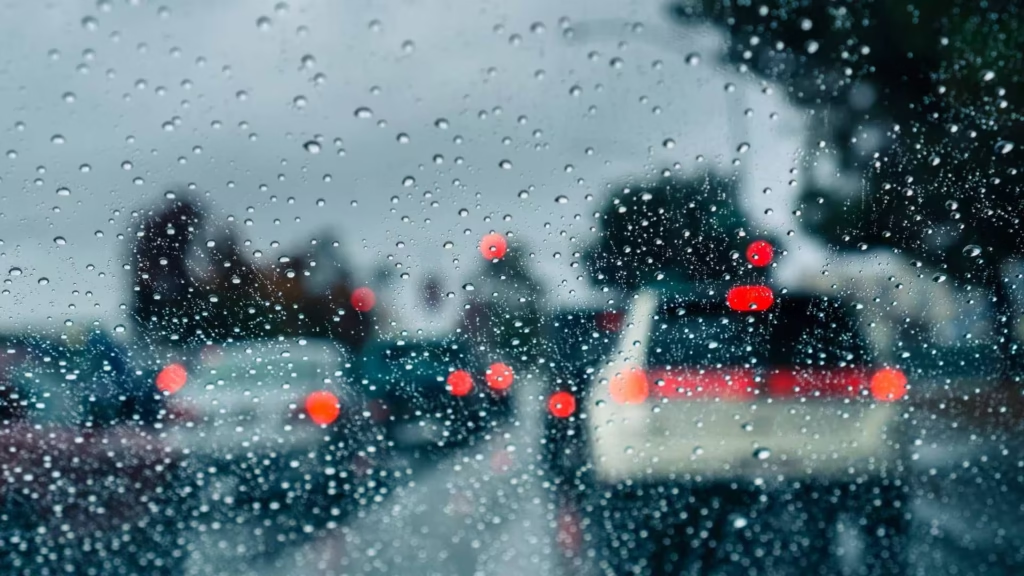
- Increase following distance — wet roads need significantly more stopping distance than dry ones
- Slow down through standing water — hydroplaning risk increases sharply above 80 km/h on wet roads with any standing water
- Turn on headlights in rain, even during the day — visibility works both ways, for you and for other drivers seeing you
- Avoid sudden braking or steering on wet roads — smooth, gradual inputs keep tires gripping
What To Do If You Break Down This Fall
Even with a full pre-season check, breakdowns still happen — a battery that seemed fine can still fail, and worn parts sometimes give out without warning.
If you’re stranded on a wet Vancouver road:
- Pull as far off the road as possible — wet roads reduce other drivers’ reaction time
- Turn on hazard lights immediately
- Stay inside the vehicle if it’s unsafe to exit — especially on higher-speed roads
- Call for a tow or roadside assistance — don’t attempt roadside repairs in poor visibility or heavy rain
Following this fall car maintenance checklist for Vancouver drivers now takes 20 minutes — waiting until you’re stranded on the shoulder in the rain takes a lot longer.
Need Help Right Now?
Essential Towing provides 24/7 towing and roadside assistance across Metro Vancouver — including battery boosts, flat tire changes, and emergency towing, rain or shine.
📞(604) 330-4320
Average response time under 30 minutes, even during peak fall storm season.
Battery Boost service
Roadside Assistance
Frequently Asked Questions
How often should I check my tire tread before fall?
Check monthly through fall and winter. Tread wears faster than most drivers expect, and wet-weather grip depends heavily on adequate depth.
How do I know if my car battery will survive the fall?
Most auto shops and some towing companies offer a free battery load test. If your battery is 3+ years old and untested, get it checked before the first cold snap — waiting until it fails means you’re stranded, not just inconvenienced.
Is it normal for tire pressure to drop in fall?
Yes — tire pressure drops roughly 1 PSI for every 10°F (about 5.5°C) drop in temperature. Check pressure monthly as fall temperatures fall.
What’s the biggest cause of fall breakdowns in Vancouver?
Dead batteries and worn tires are the two most common causes of fall roadside calls in Metro Vancouver, driven by the shift from dry summer heat to cold, wet conditions.